Antietam Creek
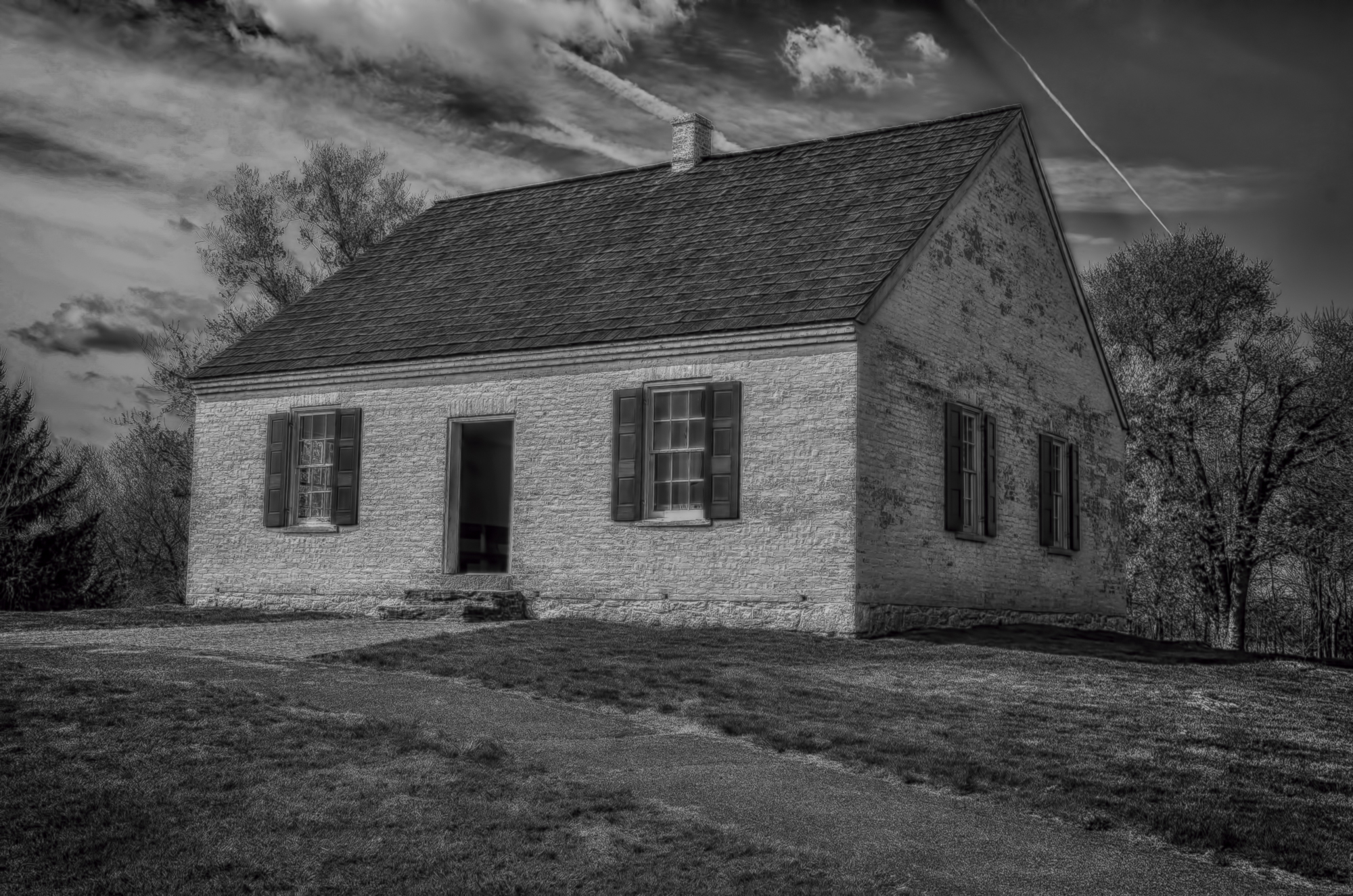
Dunker Church - Antietam National Battlefield - I have had a fascination with the American Civil War since I was a young boy. I have been to Gettysburg more times than I can remember. My bookshelves at home are stacked with Civil War history. I have been on bus tours, attended seminars and created and taught a high school course on the war. The poem you are about to read pertains to my second favorite battlefield site; Antietam. I am proud to say that I have donated money to the Civil War Preservation Trust (of which I am a member) to help save a portion of this sacred ground from development. My oldest son began his professional career here as a member of the National Park Service. So, like Gettysburg, I have walked this battlefield on many occasions. I believe that Antietam, not Gettysburg, was the turning point of the Civil War. Above all tactical and strategic considerations, the battle changed the meaning of the war. After all, Antietam gave us the Emancipation Proclamation. The battle unfolded in three distinct phases; morning, mid-day and afternoon. Each phase centered around a landmark you can still visit today. The Dunker Church (above) for the morning phase, a sunken lane for the mid-day phase, and finally closing around a bridge that became known to history as Burnside’s Bridge. Lincoln did visit the battlefield shortly after its conclusion. So did Mathew Brady, whose photographs of the unburied dead shocked the nation. The poem Antietam Creek follows the course of the battle including Lincoln’s and Brady’s visit.
Oh listen all foes who glory in war,
September day ripe with patriot gore.
Through South Mountain Pass from dawn to dusk,
Late summer sun the color of rust.
Rows of men rising up from the fields,
Banners of glory refusing to yield.
Sun ripened corn, white church in the morning,
This harvest of men serves as a warning.
Bearded generals in boots order ENGAGE!
Black powdered faces filled with rage.
The rebel yell now a dying refrain,
But the boys in blue cannot sustain.
A farmer's lane sunken with use,
Roar of a thousand muskets let loose.
Over rolling hills they slowly advance,
Eternity in an instant in this tragic war dance.
Cauldron of death compressed by stone,
A bridge to oblivion and thoughts of home.
Pushed to the limit like a long speeding train,
The water moves swiftly with the blood of the slain.
Tall man in black hallowed by war,
Asks in the stillness, what is it for?
His "terrible swift sword" will set men free,
The shadows now cast under the dying tree.
Black and white images convey the color of death,
For those who here breathed their last final breath.
The valley now rests with somber mystique,
For those who come visit Antietam Creek.
The Battle of Antietam, September 19, 1862, remains the single bloodiest day in United States history.